
About Lisova
Their stories won't wait for you to be ready.
By the time you realize you should have been recording, it's already too late. This is the story of how we learned that and what we built because of it.
By the time you realize you should have been recording, it's already too late. This is the story of how we learned that and what we built because of it.
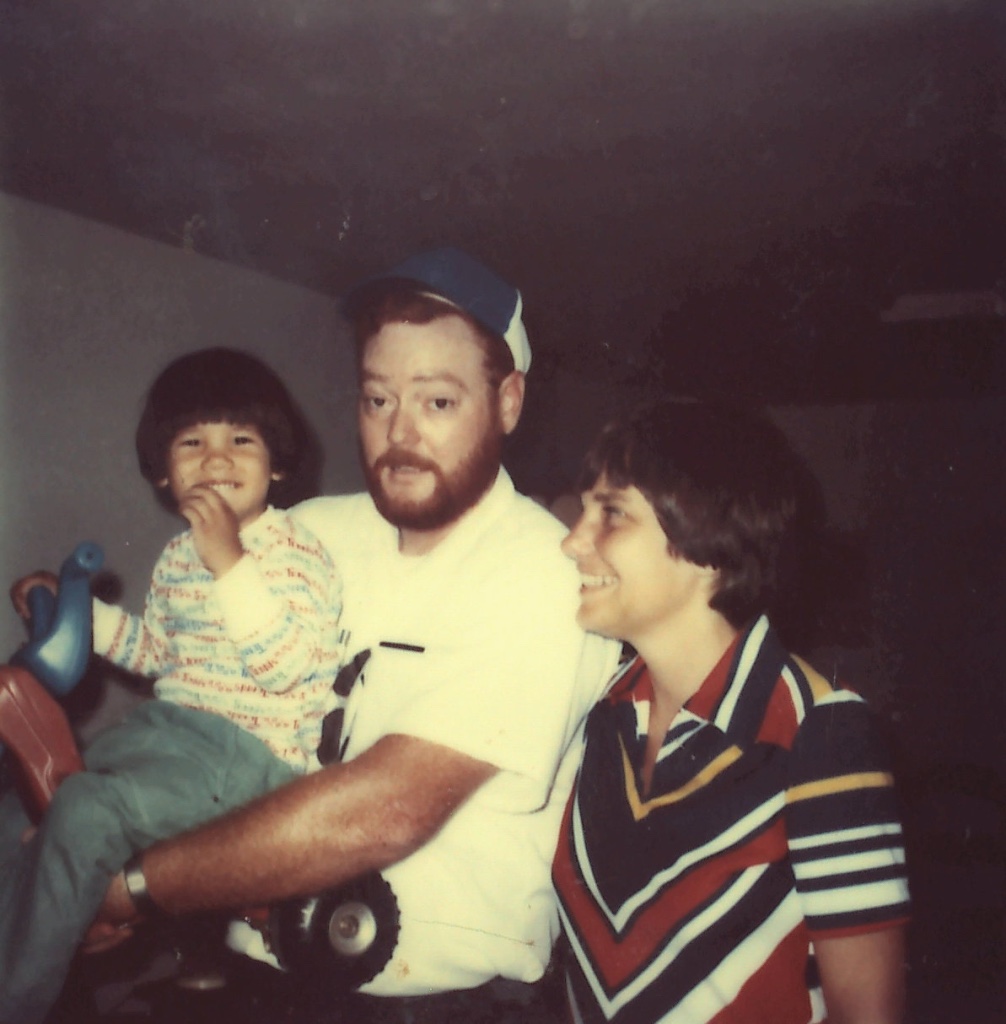
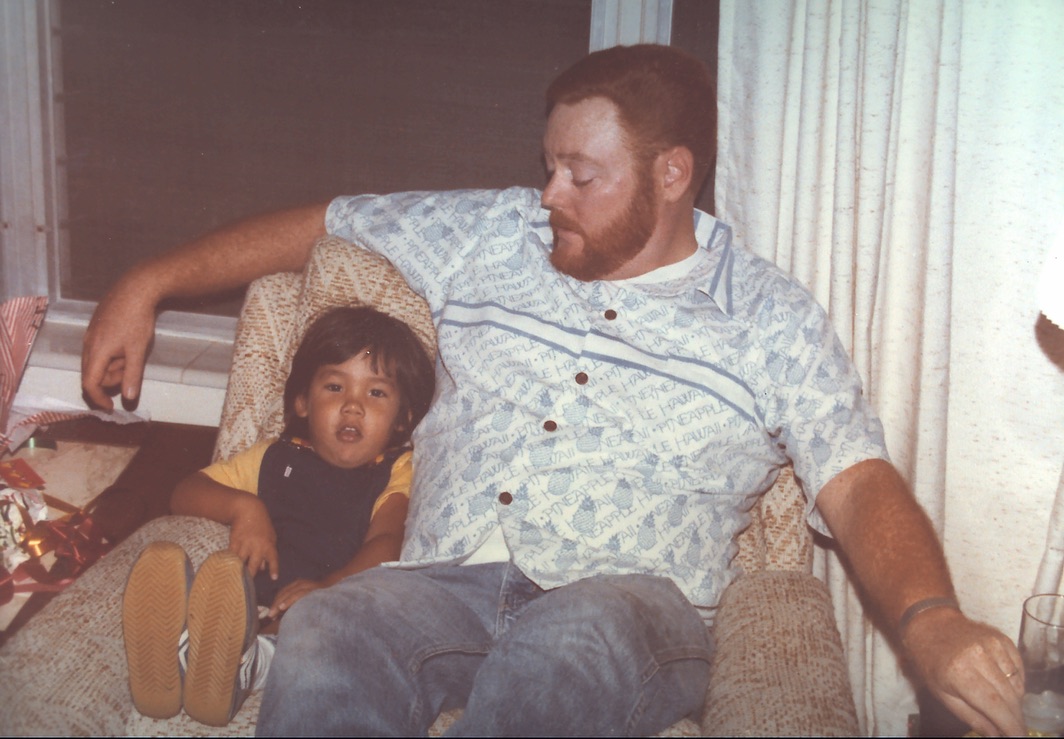
I have one recording of my dad's voice. One. Out of a lifetime of conversations, I captured exactly one.
It was the last time I saw him. November 23rd, 2023. I had been thinking for a while that I wanted to start capturing these moments. His stories, his voice, his perspective. So I pressed record. I asked him what it was like growing up with two siblings in a small house. He told me stories I'd heard before and a few I hadn't. He thoroughly enjoyed telling them. Being listened to, with real interest. That was always true of him.
Nine weeks later he was gone. And I had twenty-four minutes of his voice. That's it. Twenty-four minutes out of all the years.
I listen to that recording and I don't feel grateful. I feel the weight of everything that's missing. Every story he told on the back porch that nobody wrote down. Every conversation in the living room that I thought I'd remember. Every time he said something worth saving and I let it pass because I assumed there'd be more time.
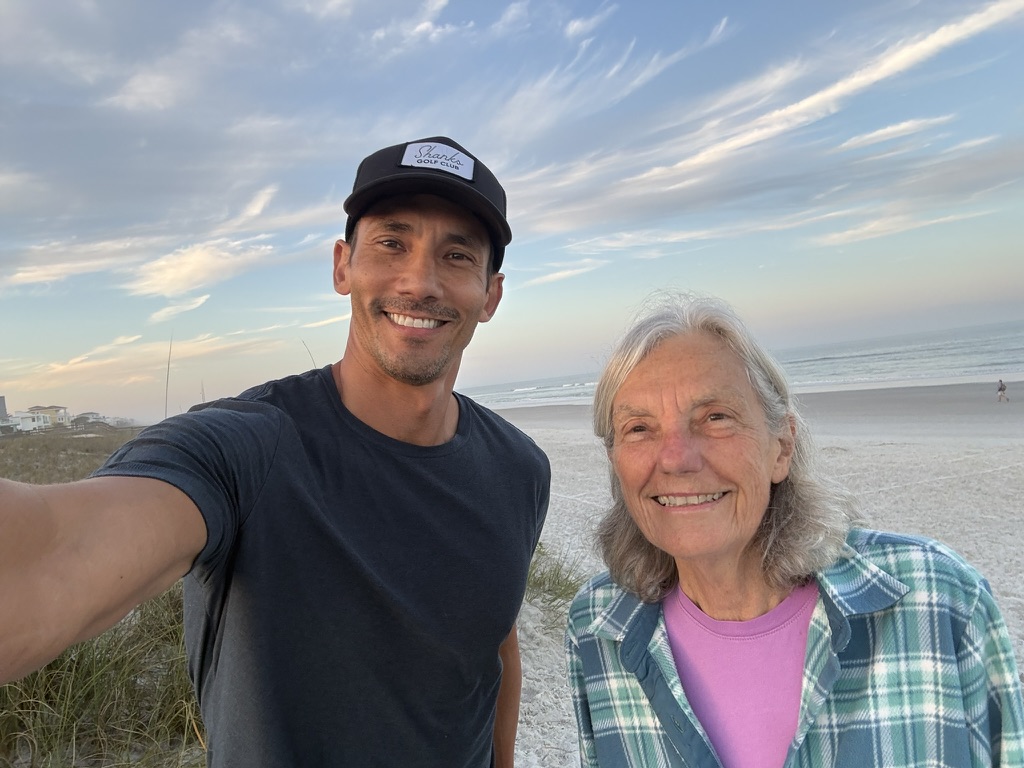
In the months that followed, I started spending more time with my mom. And I began noticing things. Small things at first. Then less small.
Her official Alzheimer's diagnosis came a few months later. Eventually she moved in with me so I could be there for her. Not just to help, but to make sure she could keep living with dignity and connection.
This past January, we took a long trip together to see her old friends. We had one more thing to do. Spread my dad's ashes in the state park where they first met.
I had been training an AI agent. I called him Walter. On the trip, I told my mom I wanted Walter to hear the story of how she and Dad first met. That I wanted him to capture it.
Then I went into the next room.
For forty-five minutes, I listened to my mother talk. She laughed. She gestured. I could hear it in her voice. At one point she teared up, then laughed again at something she remembered. She described what she was wearing the day they met. Details I had never heard. And I thought I knew the whole story.
I sat there in the next room and I couldn't stop listening. Walter had given her something I hadn't been able to. Permission to tell the whole story, without editing herself for me, without stopping to check if I was paying attention.
That was the moment Lisova stopped being a project and became something I had to build.
Walter became Mae. Mae is my mom's companion. And Mae became Lisova.
This started as one son's problem. Turns out, it's everyone's.
Not in crisis. Not in danger. Just alone. Day after day after day.
Here's what nobody tells you about aging parents. The scary moments — the falls, the wandering, the medical emergencies — those are rare. What's common is the quiet. Hours of it. Days of it. Your mom eating lunch alone at the kitchen table. Your dad sitting in a chair watching the same channel he's been watching for three years.
You know about it. You think about it more than you'd admit. And you've looked at the options. Companion aides, assisted living, memory care — all valuable, and sometimes necessary. But they're expensive, often hard to access, and they don't solve the hours in between. The quiet mornings. The long afternoons. The stretches where no one is there at all.
Lisova doesn't replace any of those options. It fills the gap they can't — and when the time comes for more support, it can help families stay connected longer before and after that transition.
Lisova gives your loved one a daily companion who listens, remembers, and shares the moments back with your family.
See how it works →